en
en ru
ru uk
uk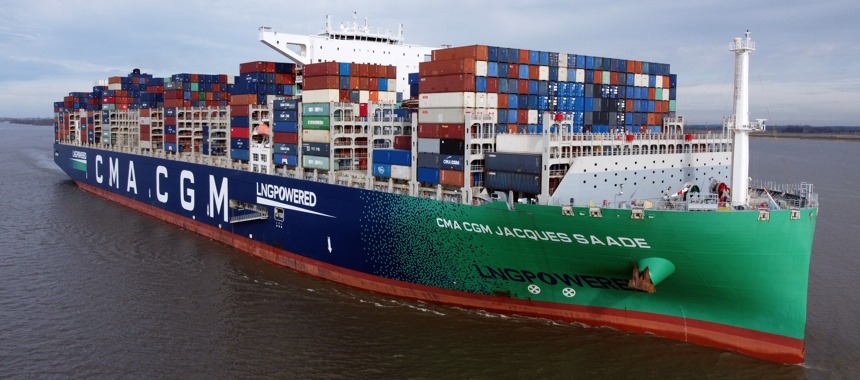
The container ship CMA CGM Jacques Saade is a vessel built for the French company CMA CGM. It is named after the founder of the company, Jacques Saade. CMA CGM Jacques Saade was launched in September 2019 and became the first ship in the «Gas4Sea» series of container ships powered by liquefied natural gas (LNG).
 Magellan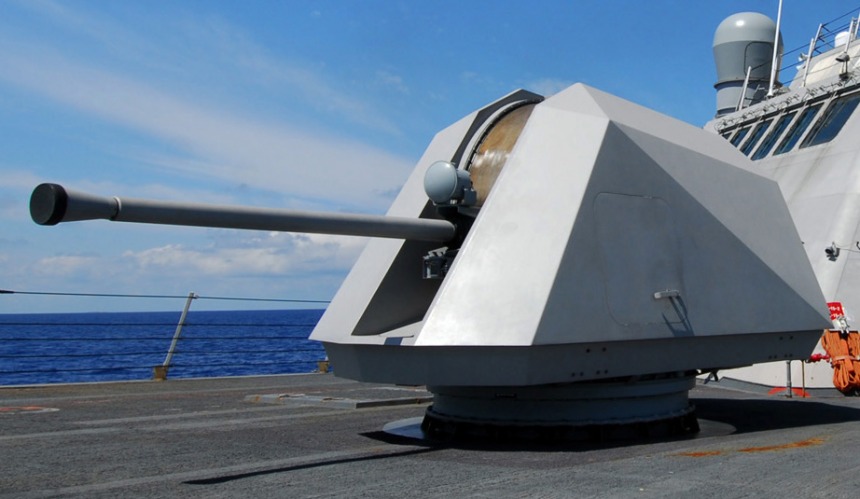
Swedish armed systems have always been known for their quality and precision. The latest innovation in naval weaponry is the universal artillery system of a new generation, which, as claimed, is free from the drawbacks of its predecessors.
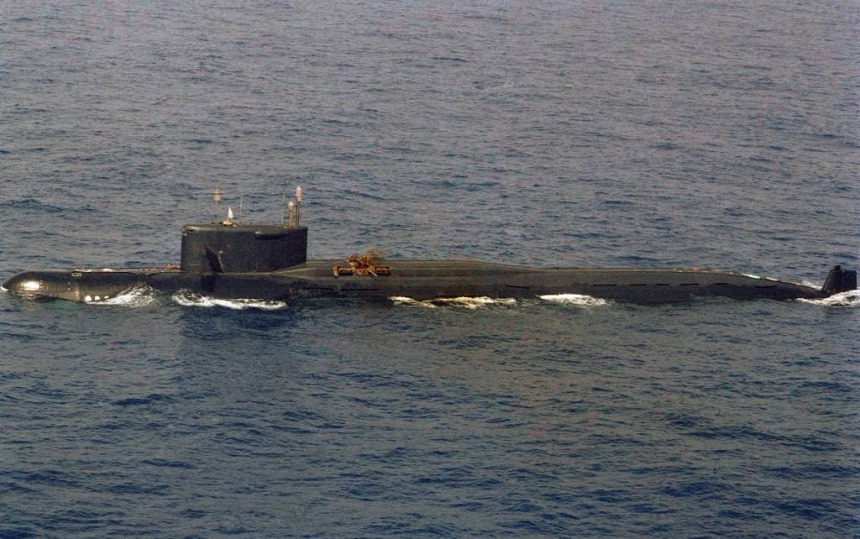
October 1986. Atlantic Ocean. U.S. Navy observation center specialists detected the echo of a powerful explosion. The coordinates pointed to a Soviet submarine patrolling in the area.
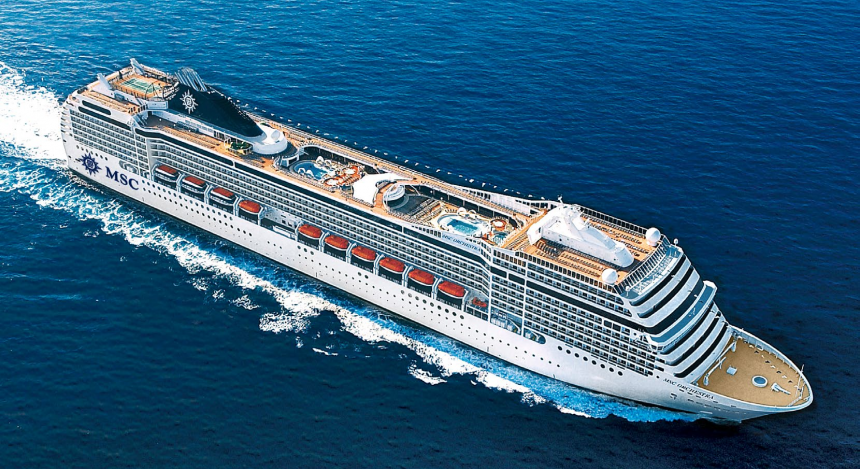
The creators of cruise liners constantly strive to do something new to enhance passengers' enjoyment of their journey. Magnificent Italian designers and constructors from MSC Cruises have created many impressive elements of the floating luxury hotel «MSC Orchestra.» Let's visit the pristine liner and discover the world of luxurious cruises.
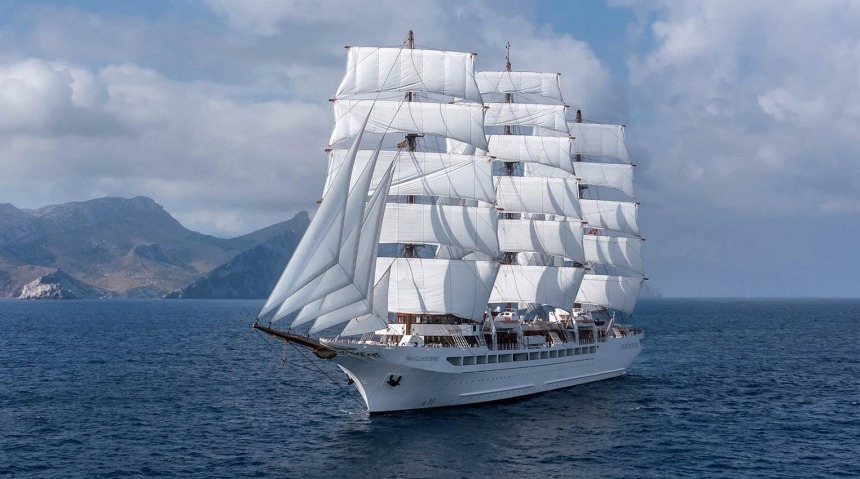
The Sea Cloud Spirit is a one-of-a-kind cruise ship and the third ship to the fleet of luxury sailing vessels operator Sea Cloud Cruises GmbH. The three-masted full-rigged ship of the Hamburg-based shipping company Sea Cloud Cruises follows the example of its two elegant sisters, the Sea Cloud and the Sea Cloud 2, in combining traditional rigging with 21st century comfort.
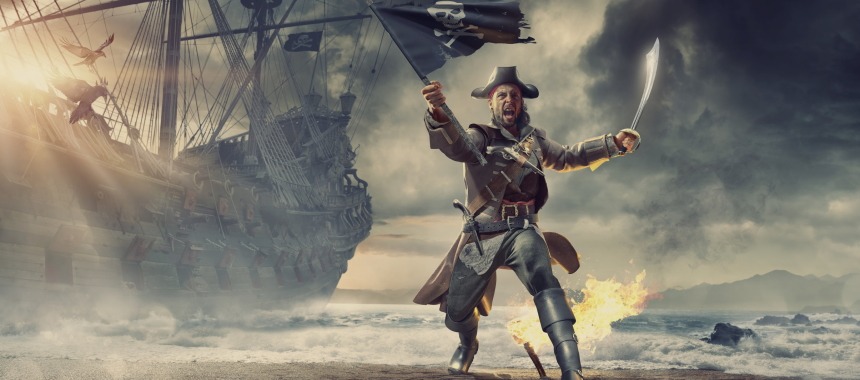
Thanks to literature and films, Caribbean pirates are depicted either as mythical and fearless heroes or as malicious cutthroats cursing their way through children's imagination. However, pirates were real people who lived in the 17th and 18th centuries, raiding trading ships transporting goods across the Caribbean from the New World colonies. Legends of their misdeeds have long outlived them.
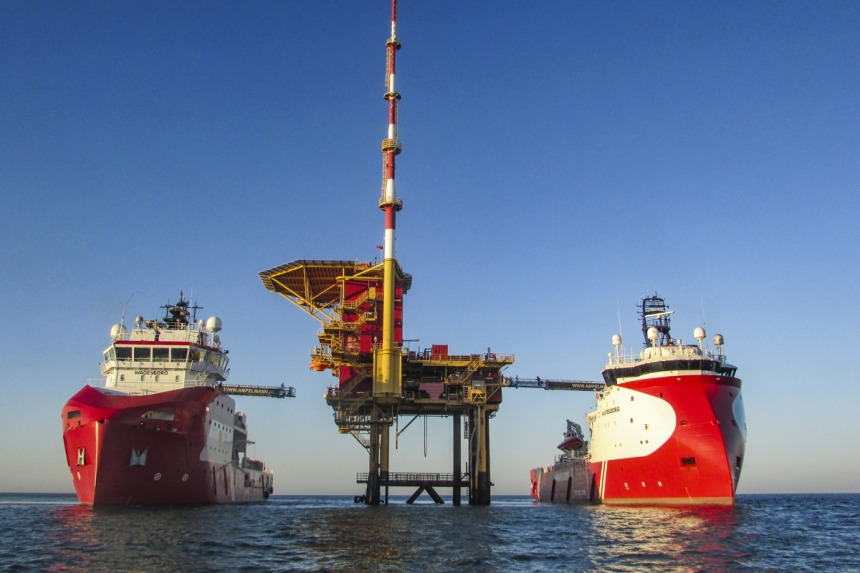
The development of offshore wind energy has led to the emergence of entirely new types of vessels: self-elevating vessels or vessels for servicing and constructing offshore installations. However, Dutch shipbuilders decided to combine several functions on one platform, creating another class of vessels.
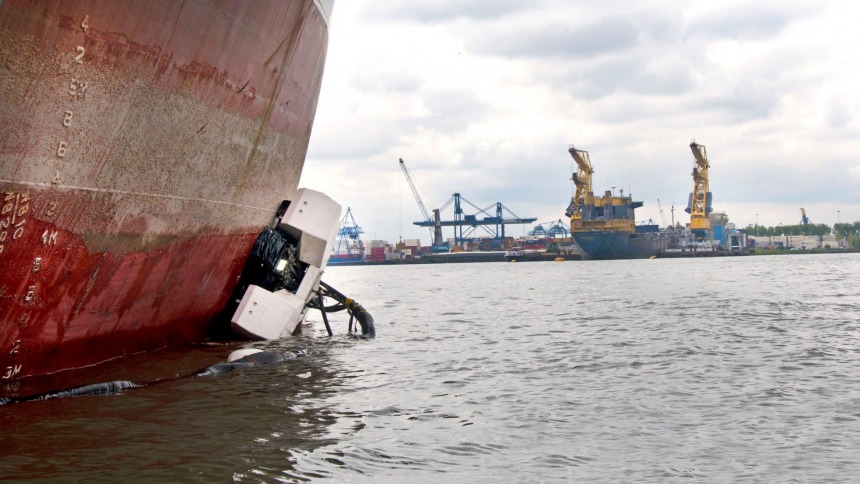
Fleet Cleaner ROVs have been developed to assist in various maritime activities, including oil spill response operations. They are designed to clean the hulls of ships and other vessels, removing marine organisms such as barnacles and algae that can accumulate over time. By maintaining clean hulls, these systems help improve fuel efficiency and reduce emissions.
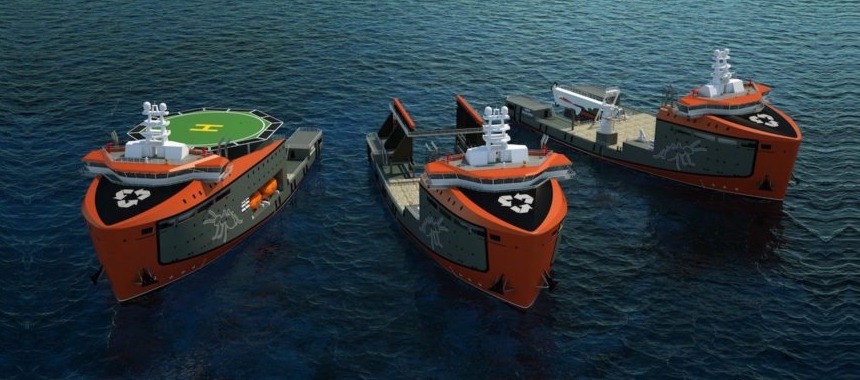
In the face of intense competition in the oil and gas industry, several companies are vying for new business development opportunities. It might seem that there's little left to innovate in this field.
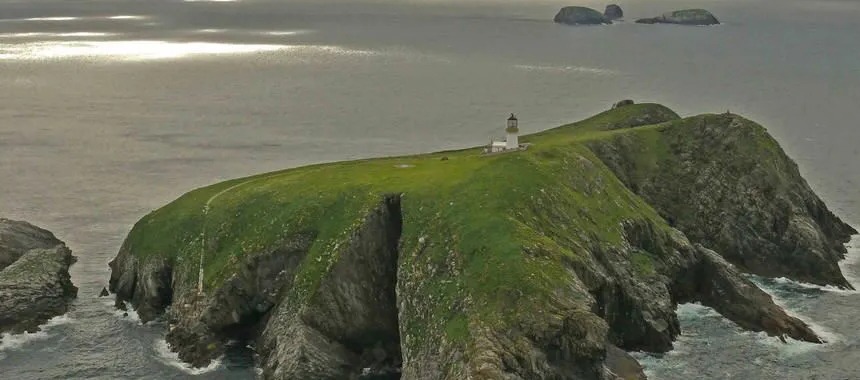
The Scottish coastal waters hold many stories, but one of them, which occurred in the early 20th century, has yet to find a logical conclusion.
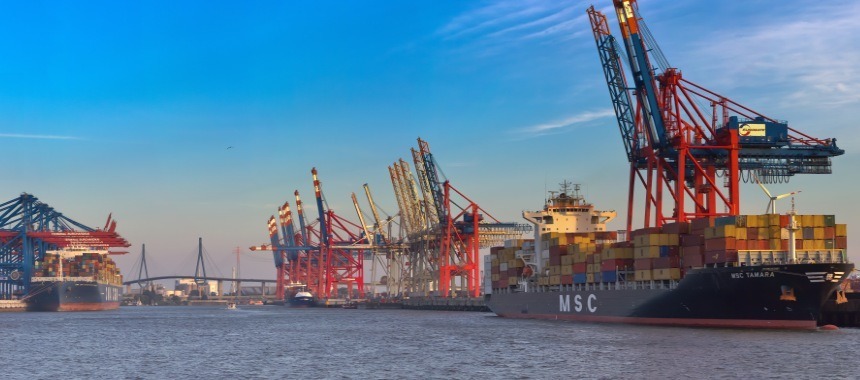
In the shipping industry, there are 67 shipping companies operating container ships. However, about 90% of the total fleet of these vessels is controlled by only the seven largest corporations.
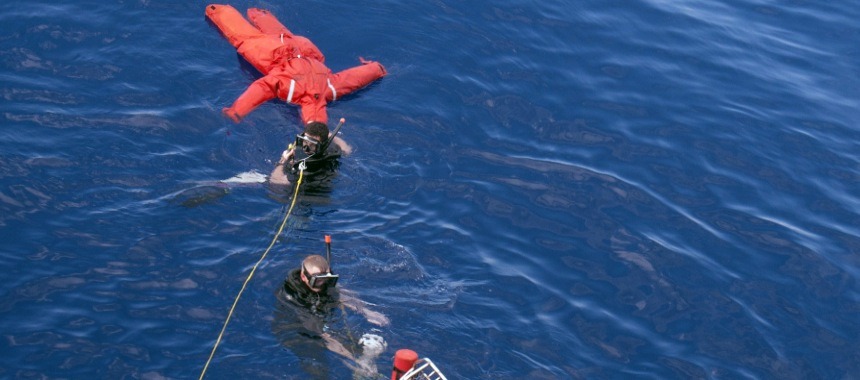
The salvation of a man who fell into the water is not an easy task, especially if the victim is unconscious. Therefore, regular trainings as close as possible to reality are important in the preparation of potential rescuers.
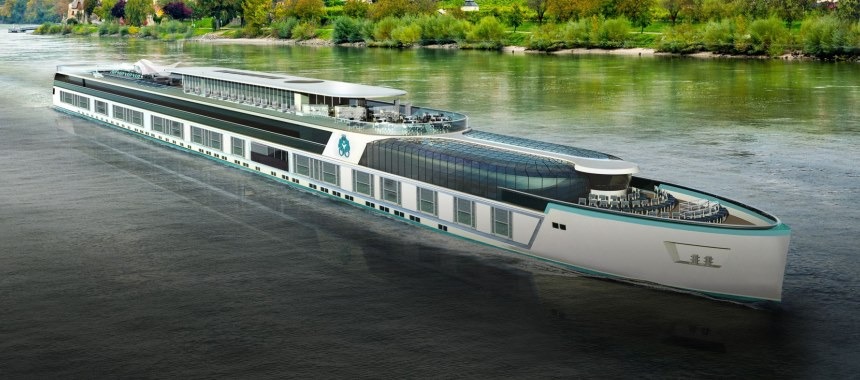
The cruise industry continues to inexorably develop, and the coming year will be marked by new descents on the water of modern ships and vessels.
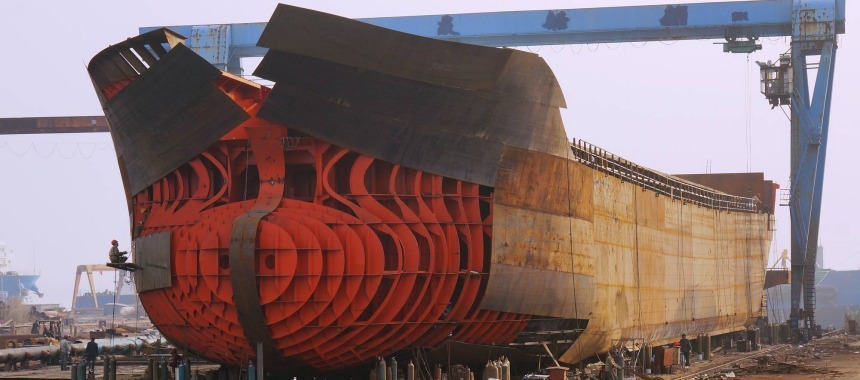
Summarizing the results of the outgoing year, I would like to note that 2016 can be considered a year of gas powered vessels. The editorial staff of the Shipshub constantly monitored the descent of ships with bi-fuel power plants, so this year we rightly consider the most productive in the construction of gas-powered vessels.
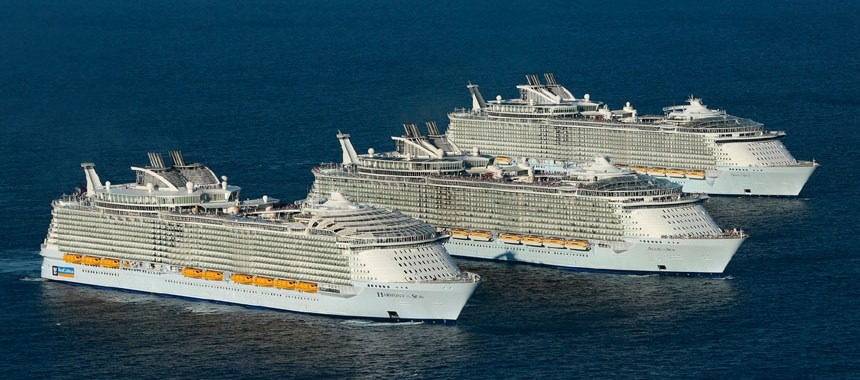
Last week there was an event, which was waiting for all lovers of marine news. On November 4, the largest cruise liner in the world Harmony of the Seas arrived to its home port Everglades.
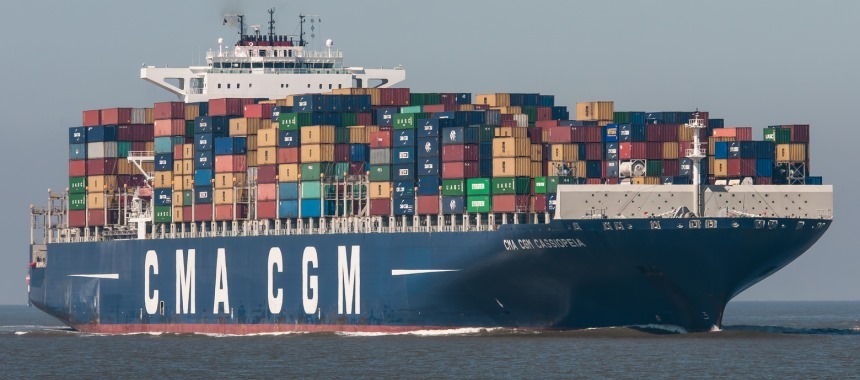
Among the fast-growing European companies servicing sea transport there is a tendency to enter the West African countries. This can mean only one thing: in the near future the market of African producers can create a high level of competition for Asian countries.And confirmation of this was the emergence of two new routes from the French company CMA CGM, which will connect the European ports with the African continent.
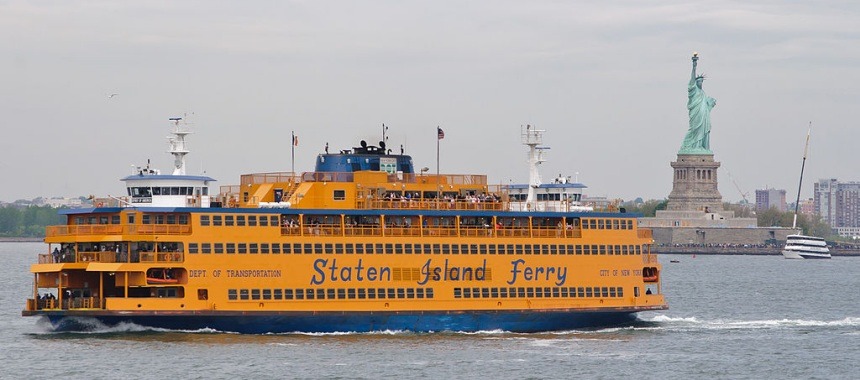
Staten Island Ferry is the last operating line of the once vast ferry system of New York. The service was transporting people between Manhattan and the future sleeping area of Staten Island long before the bridges were built. Today, Staten Island Ferry provides a passenger flow of 22 million people a year.
 RBJ
RBJ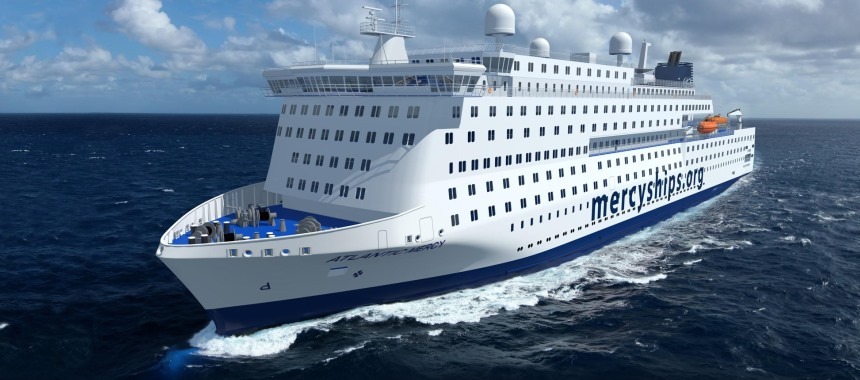
Disinterested people who are ready to help their knowledge or finances to other people are now very rare. All are solely engaged in their own concerns, aimed at increasing their well-being. And what about the children who do not have money, not even money for treatment, there is not even an elementary hospital in which they can seek medical help. Namely, the international charitable organization Mercy Ships is called upon to help those in need in the remote corners of our planet.
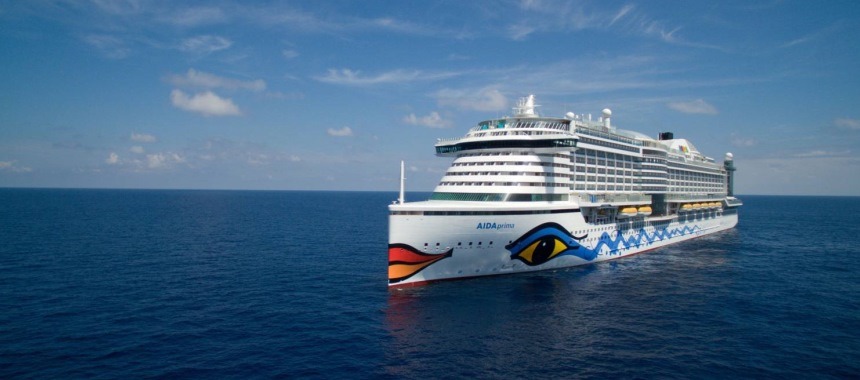
Remains less than 20 days before departure for the first cruise of the newest liner AIDAprima. After commissioning, this vessel will mark the emergence of new-generation ocean liners and set new standards in the field of the environment.