A complete review of the 11 best ship tracking sites online with AIS maps, features, and comparisons.
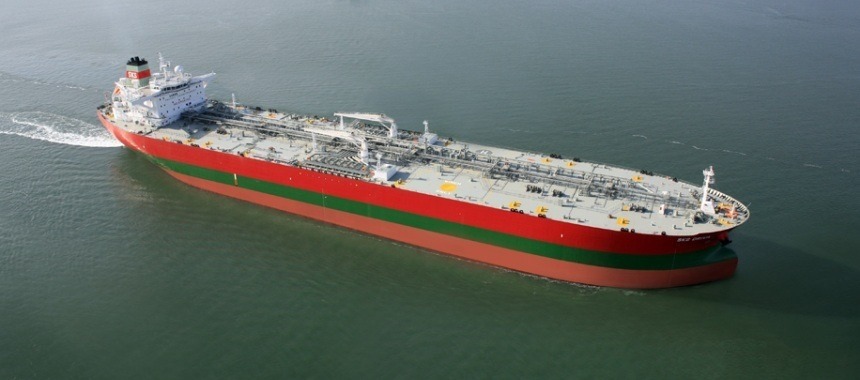
Classification of bulk tankers AFRA scale and commercial scale (Flexible market scale). The history of the classification of bulk tankers.
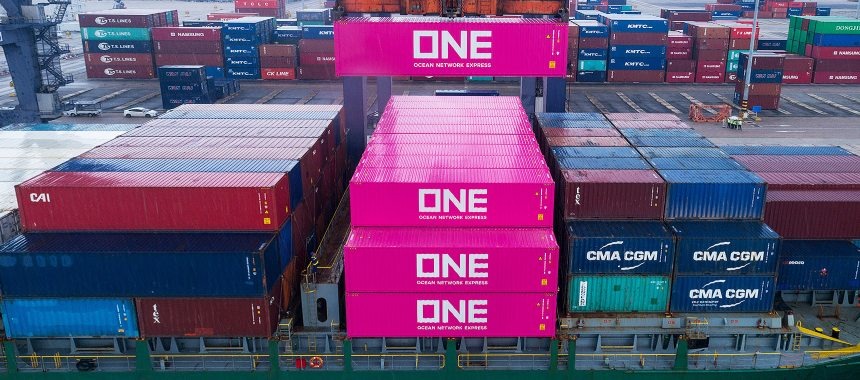
Complete guide to river vessels classification. Learn about inland waterway vessel types, classes, functions, and navigation areas.
Modern warships are direct descendants of ships that fought in World War I and World War II, but technological progress is developing so rapidly that we are now seeing the fourth generation of warships built after 1945. Predictions that ships would become obsolete in the nuclear age have proven completely unfounded. Today, the world's navies are armed with super-powerful aircraft carriers, missile cruisers, destroyers and other types of ships.
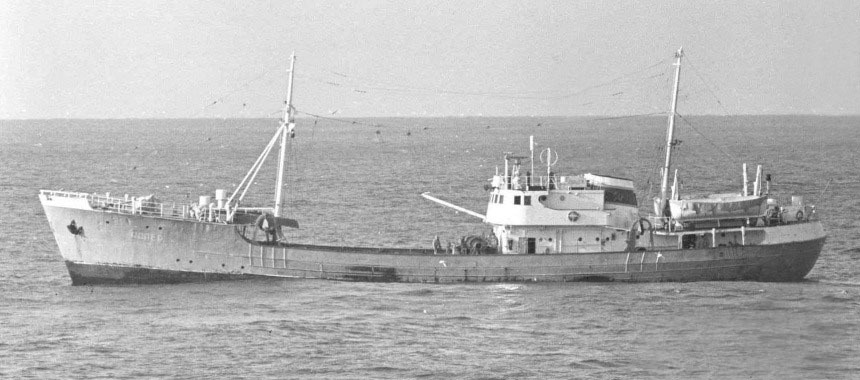
Explore the post-Soviet classification of warships, including ship types, naval weapons, and technologies. Learn how the Soviet Navy was structured and how its combat capabilities were evaluated.
The vessel’s hull structure is based on a specific geometric and architectural design form, which determines its hydrostatic characteristics, general arrangement, structural integrity, and visual appearance. Naval architects must apply their full expertise and practical experience during the design process to achieve the most efficient hull configuration.
The development of the ship’s external appearance depends on the shape of the primary hull, the layout and design of the superstructures, the positioning of the main machinery, the configuration of the funnels, as well as the type of cargo handling equipment and mast arrangements.
In the global merchant fleet, it is customary to divide ships into types determined by the properties of the cargo they carry: tankers, container ships, gas carriers, dry cargo ships. In addition, transport ships are classified by size.
Sails are panels of canvas joined together and used to propel a vessel. Each sail functions in a manner similar to a propeller blade. As airflow passes over the sail, a region of reduced pressure forms on its leeward (convex) side, while increased pressure develops on the windward (concave) side.
The resulting pressure difference generates a force that produces thrust, driving the vessel forward, as well as a lateral force that causes drift, pushing the sailing vessel to leeward.
Marine and ordinary knots, which serve us well in everyday life, are among the oldest inventions of mankind. There are different types of knots, which is why they have their own classification. Below we will discuss the most commonly used knots in maritime affairs.
Comprehensive guide to sailing ship classification by sail rigging types: square, fore-and-aft, and combined rigs with comparison table and examples.
en
ru
uk
Magellan
RBJ