Over the past 10-15 years, expedition cruising has evolved from a niche format for enthusiasts into one of the most dynamically growing segments of the global cruise industry. Modern travelers no longer seek luxury alone—they want access to remote regions, environmental responsibility, safety, and genuine contact with nature.
Not long ago, US President Donald Trump announced the creation of a ‘golden fleet’ that would surpass all others in terms of power. However, global trends in shipbuilding show another side of development that is not related to traditional types of ships.
For more than a century, the oceans have echoed with the steady thunder of diesel engines—vast mechanical hearts pushing metal leviathans across the world’s trade lanes. The age of sail was long considered a romantic relic, beautiful but obsolete, an artifact preserved in museums and postcards. Yet beneath the growing weight of climate commitments and rising fuel costs, the maritime world has begun to rediscover a truth it once knew intimately: «The wind never left. We simply stopped listening».
The Japan Maritime Self-Defense Force (JMSDF) has recently taken a significant step in enhancing its maritime warfare capabilities by integrating an electromagnetic railgun onto its experimental platform, JS Asuka (ASE-6102). This advancement reflects a notable achievement in Japan’s pursuit of next-generation defense systems.
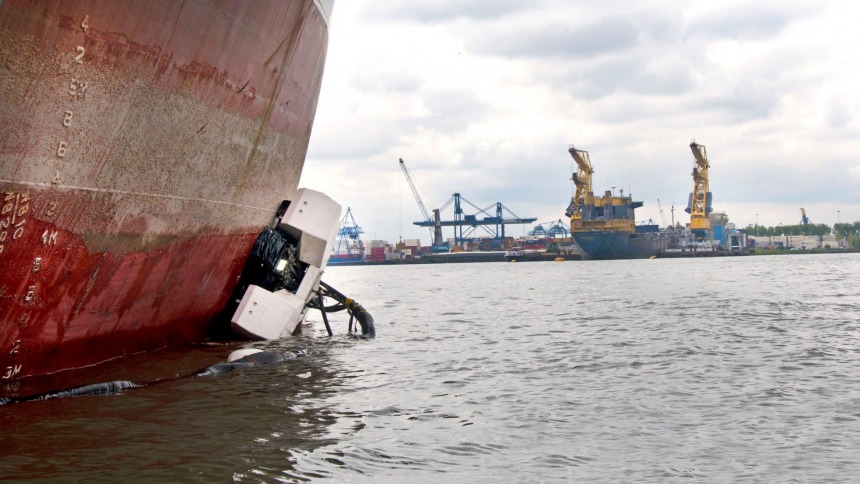
Fleet Cleaner ROVs have been developed to assist in various maritime activities, including oil spill response operations. They are designed to clean the hulls of ships and other vessels, removing marine organisms such as barnacles and algae that can accumulate over time. By maintaining clean hulls, these systems help improve fuel efficiency and reduce emissions.
In the face of intense competition in the oil and gas industry, several companies are vying for new business development opportunities. It might seem that there's little left to innovate in this field.
en
ru
uk
Magellan