 en
en ru
ru uk
uk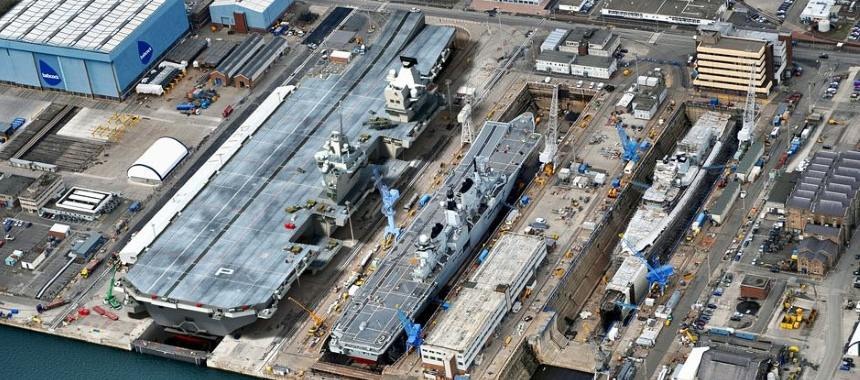
Five years later in the city of Rosite after cutting the first sheet of steel, the largest military ship of the Royal British Navy was named after Queen Elizabeth, who smashed a bottle of champagne on board the newest 65,000 ton aircraft carrier.
 Magellan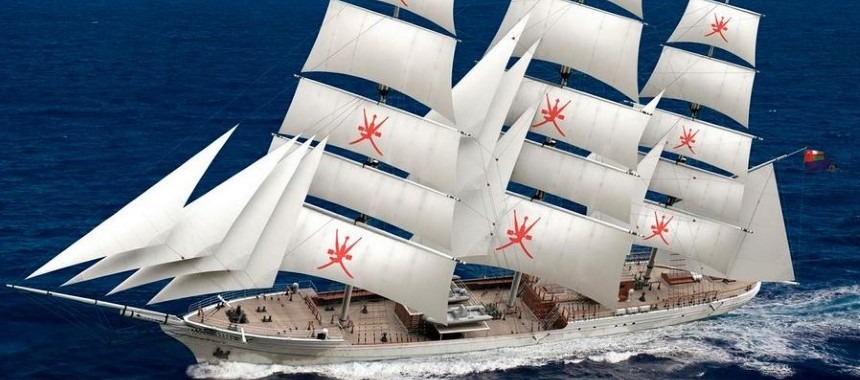
On the morning of January 15, 2014, the training ship for the Royal Navy of Oman was launched at the Damen Shipyards Group in Romania.
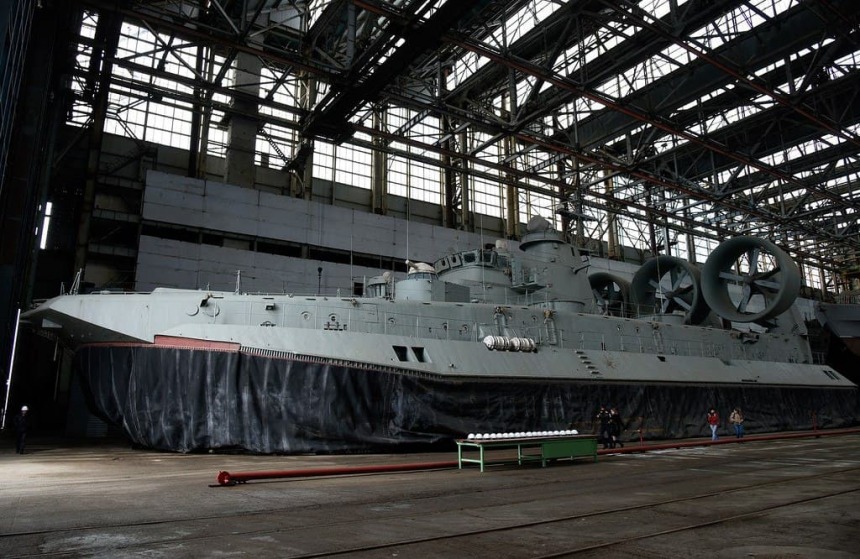
The Feodosia Shipyard More launched the world's largest air-cushion ship Zubr.
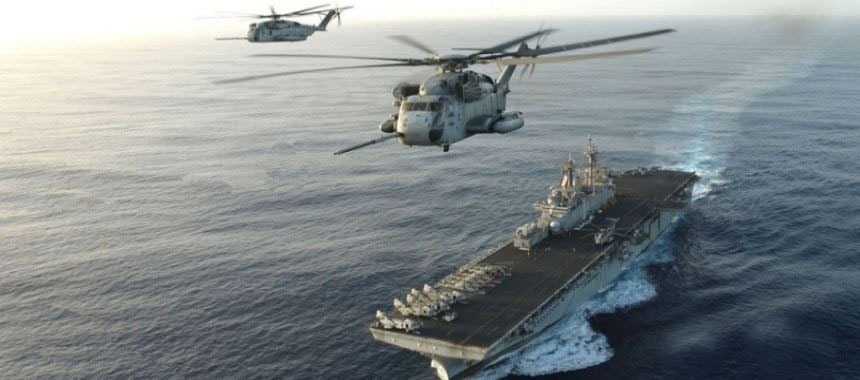
American warships will soon be equipped with a standard 4G connection.
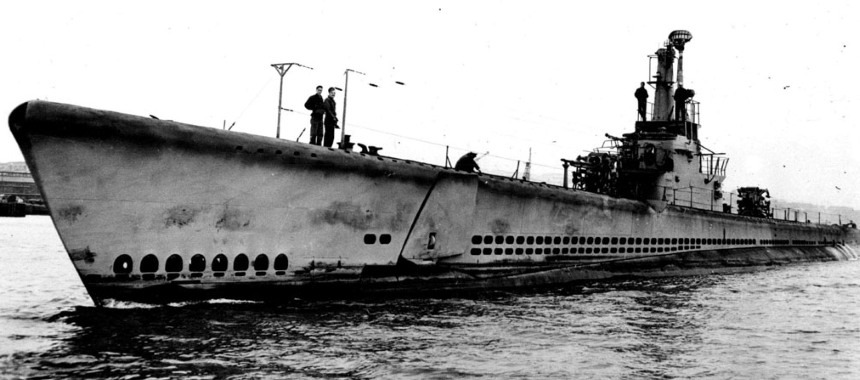
In the Gato class, the U.S. Navy had found a fully capable boat with the characteristics necessary to fight a war in the Pacific. In the wake of the Pearl Harbor attack, it was obvious that the only way to halt the rapid expansion of Japanese conquests would be with an unconventional strategy, and to their credit, Admirals King and Nimitz came up with exactly the right approach. They devised a dual strategy — containment around the edges and strikes deep into the heart of the Japanese Empire. The resources available were a small and terribly vulnerable force of aircraft carriers and three-dozen fleet submarines plus the nine old V-boats and a few more obsolescent S-class boats.
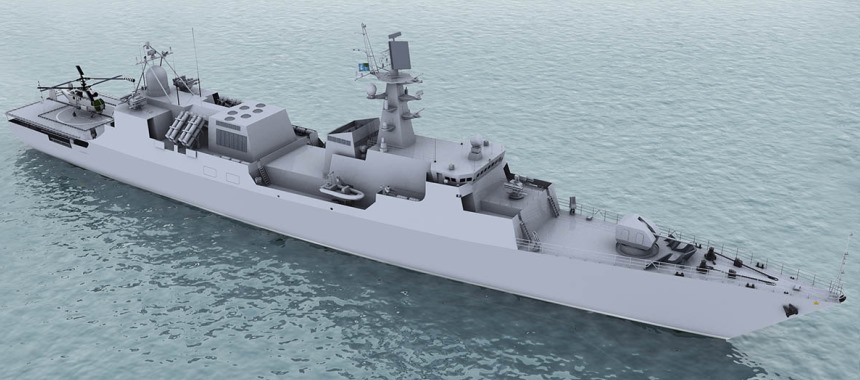
The corvette project 11541 Korsar patrol ship is designed to search for, to track and to engage surface, underwater and air targets, as well as to perform escort and patrol tasks. The corvette can carry out a wide class of missions, operating autonomously and within a tactical task force in sea and oceanic areas.
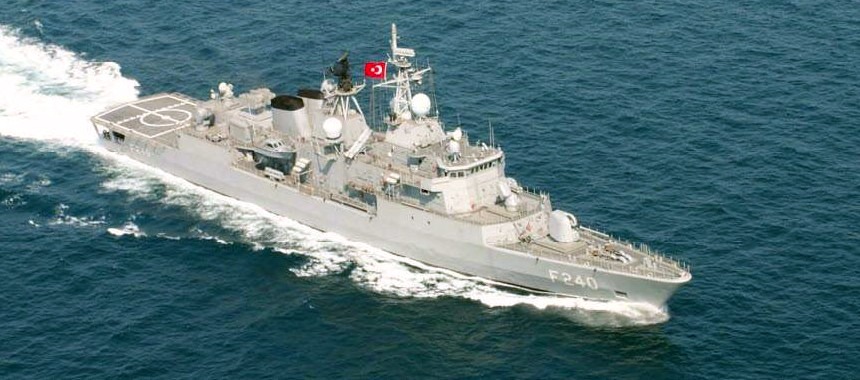
The ‘Yavuz’ cruiser is the first ship named after the Ottoman Sultan, Yavuz Selim. The German Navy ordered the ship to ‘Blohm&Voss shipyard’ and keel laid down in August 1909 and launched on 28 March 1911 as SMS Goeben. She served in Germen Imperial Navy until August 1914.
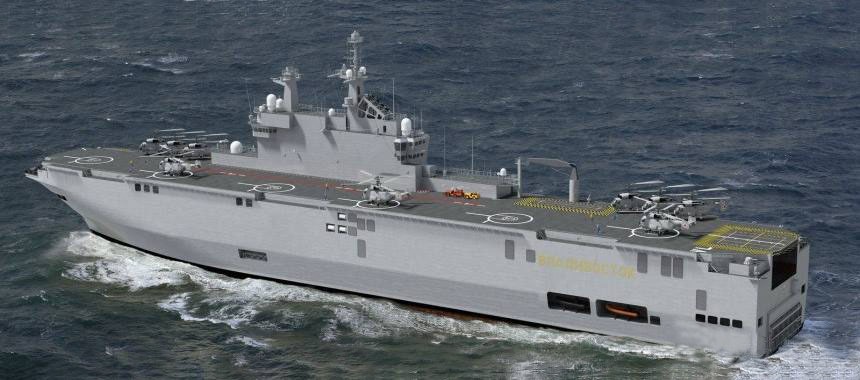
The contract for the purchase of a universal helicopter carrier Mistral-class for the Russian Navy will be signed before the end of the year, RIA Novosti reports, citing the statement of the head of the General Staff of the Armed Forces of the Russian Federation Nikolai Makarov. Makarov also added, that the Russian authorities continue to prepare an international tender for the construction and purchase of the newest helicopter carriers for the Russian Navy.
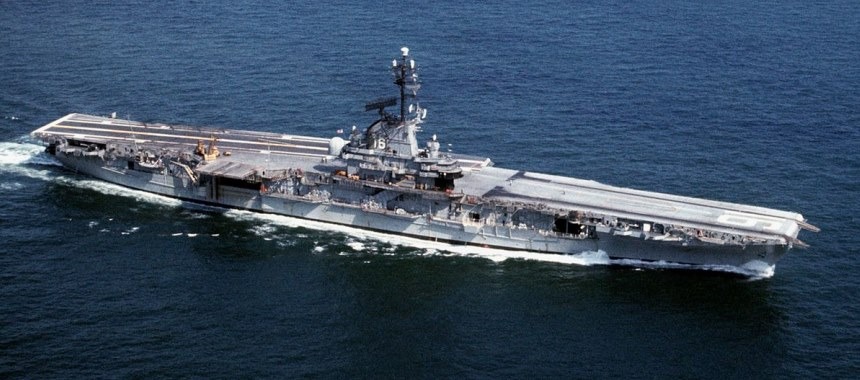
The USS Lexington is the last operational unit of the Essex class of carriers that were designed just prior to World War II, and were modernized in the 1950s. This is AVT-16 as she appears today during operations in the Gulf of Mexico.
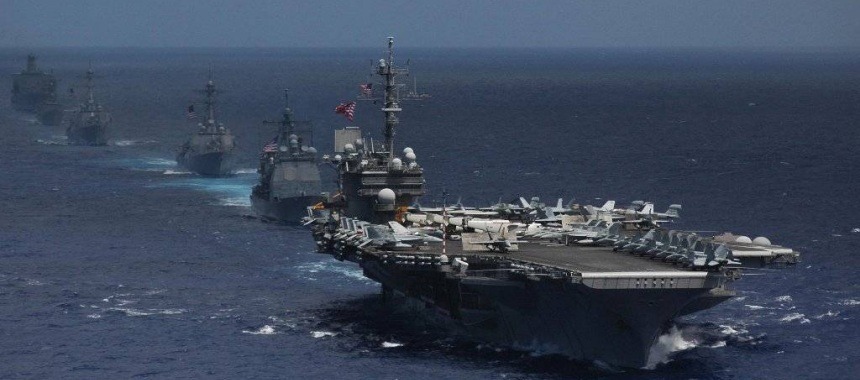
Exercise Valiant Shield was a large United States military war game held 19–24 June 2006 in the Pacific Ocean.
 RBJ
RBJ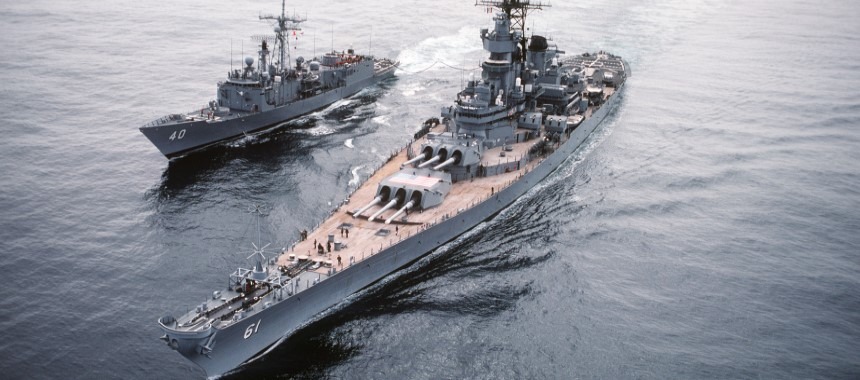
Battleships of the «Iowa» class are considered the most advanced ships in the history of shipbuilding. It was during their creation that designers and engineers managed to achieve the maximum combination of all the key combat characteristics: armament, speed, and defense.