For more than a century, the oceans have echoed with the steady thunder of diesel engines—vast mechanical hearts pushing metal leviathans across the world’s trade lanes. The age of sail was long considered a romantic relic, beautiful but obsolete, an artifact preserved in museums and postcards. Yet beneath the growing weight of climate commitments and rising fuel costs, the maritime world has begun to rediscover a truth it once knew intimately: «The wind never left. We simply stopped listening».
Timber carriers are specialized cargo vessels designed to transport forest products such as logs, wood chips, and pulp. They typically feature high cargo capacity and dedicated handling equipment for loading and unloading timber materials.
These ships play a vital role in the forestry industry, ensuring efficient transportation of wood from logging sites to processing facilities or export terminals. Many timber carriers are equipped with cranes or specialized cargo-handling systems to manage and secure large volumes of lumber.
The race of sea transportation forces the company to come up with new ways of delivering goods, cheapening both the transportation itself and the value of the imported goods.
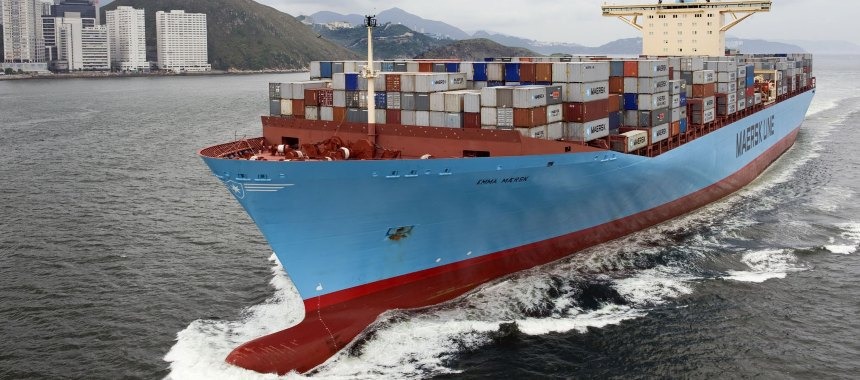
Emma Maersk is a container ship owned by the A. P. Moller-Maersk Group. When she was launched, Emma Maersk was the largest container ship ever built, and as of 2008 the longest ship in use. Officially, Emma Maersk is able to carry around 11,000 twenty-foot equivalent units (TEU) according to the Maersk Company's method of calculating capacity, which is about 1400 more containers than any other ship is capable of carrying.
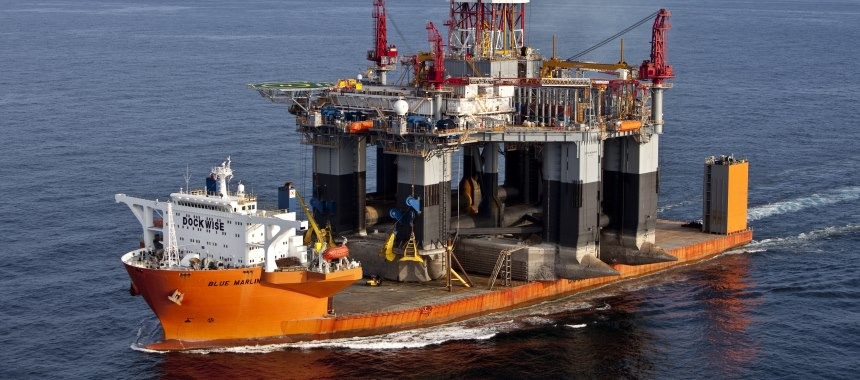
It all started with non-self-propelled barges, but now incredibly large loads can be loaded on board and sent to any destination in the world under their own power.
en
ru
uk
Magellan