 en
en ru
ru uk
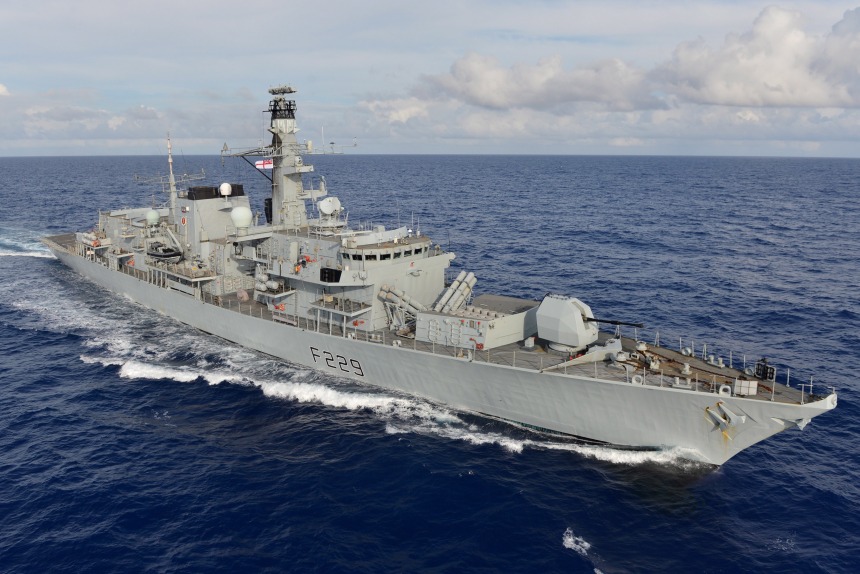
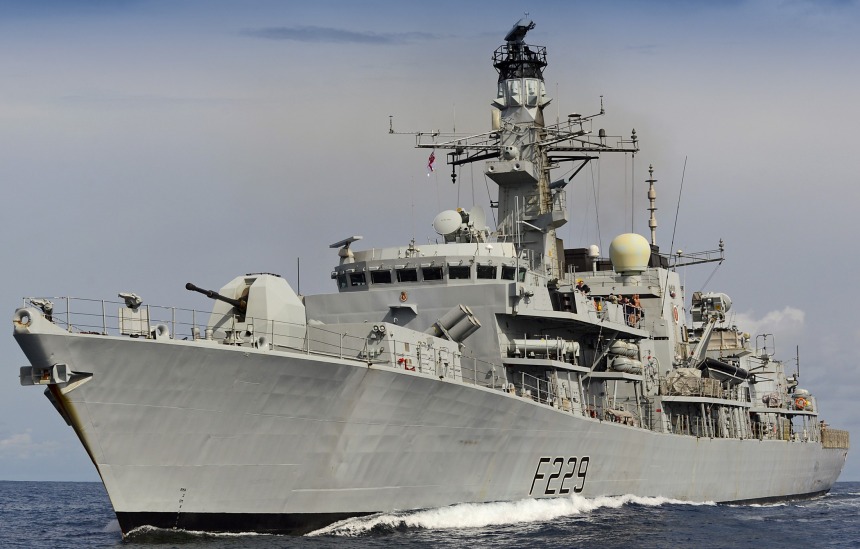
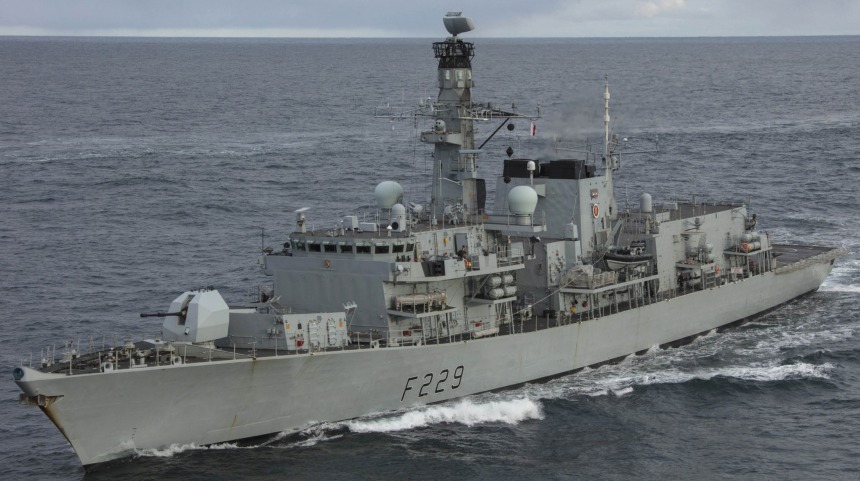
ukGuided missile frigate HMS Lancaster (F229)

Basic information
Namesake:
Duke of Lancaster
Operator:
 Royal Navy
Country of build:
Builder:
Laid down:
Launched:
Commissioned (service):
Status:
Ship measurements
Displacement:
4,900 t
Length:
133 m
Beam:
16.1 m
Draft:
7.3 m
Machine
Propulsion system:
Propulsion:
- 2 * Rolls-Royce Spey SM1A gas turbines, 34,000 hp (25,000 kW)
- 4 * Paxman Valenta 12CM diesel engines, (4 * 1510 KW / 2025 shp)
- 2 * GEC electric motors (1.5 MW, 4,400 hp)
Speed:
28 knots
Range:
7,500 nmi (13,900 km; 8,600 mi) at 15 knots (28 km/h; 17 mph)
Personnel
Complement:
185
Combat assets
Boats & landing craft:
- 2 * PAC 24 RIBs
Electronics:
- UAF-1 ESM, or, UAT Mod 1
- Seagnat
- Type 182 towed torpedo decoy
- Surface Ship Torpedo Defence
Armament:
- 1 * 32-cell GWS 35 Vertical Launching System (VLS) for:
- 32 * Sea Ceptor missiles (1–25+ km)
- Up to 2 * quad Harpoon launchers (8 * missiles)
- 2 * twin 12.75 in (324 mm) Sting Ray torpedo tubes
- 1 * BAE 4.5 inch Mk 8 naval gun
- 2 * 30 mm DS30M Mk2 guns, or, 2 * 30 mm DS30B guns
- 2 * Miniguns
- 4 * General-purpose machine gun
Aircraft:
- 1 * Westland Wildcat HMA2, armed with;
- 2 * anti-submarine torpedoes
HMS Lancaster is a Duke-class Type 23 frigate of the Royal Navy, launched by Queen Elizabeth II on 24 May 1990. The ship is known as «The Queen's Frigate», the Duke of Lancaster being a subsidiary title of the Sovereign. Being the third ship in the Type 23 class, Lancaster was originally allocated the pennant number F232 until it was noted that the 232 is the Royal Navy report form for groundings and collisions and therefore considered unlucky. She is one of the few ships left in the fleet with some female officers but mess decks which are men-only. It is quite common when she has returned from long operations that she is flown over by the Avro Lancaster bomber which is part of the Battle of Britain Memorial Flight based at RAF Coningsby.
- Comments
No comments yet
Log in or Register to write comments