 en
 ru
 uk

Yalta sea commercial port has organized from August 20, 2010 for the period of the holiday season regular passenger transportation by motor ships along the routes of suburban traffic along the Southern coast of Crimea.
 Magellan

As in any industrial sector, the refinement of ocean freight logistics is centered on bolstering operational performance and service quality. Productivity in this context implies a reduction in labor intensity per unit of cargo, while the benchmarks for quality include rhythmicity, delivery reliability, cargo integrity, and the minimization of transit times.

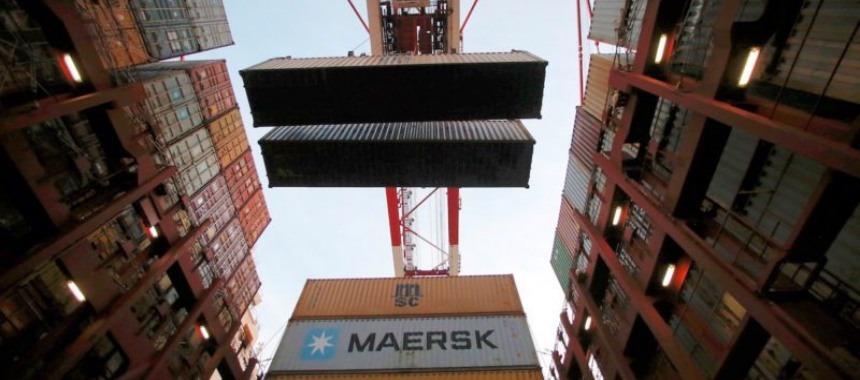
The transportation of cargo from manufactories around the world to ports for loading, its movement across the oceans to points of debarkation, and then its arrival at local loading docks transpires on a routine, seamless basis. The process is so smooth that, only after the terrorist attacks of September 11, 2001, did the nation awaken to learn that only a small percentage of the more than 23 million containers that arrive yearly in this country are inspected. While this is clearly a topic lawmakers are addressing as far as homeland security is concerned, it also points to the fact that the volume of commerce in and out of the nation, along with the rest of the world, has increased exponentially since the end of the Second World War. The reasons for this change are numerous: globalization, better production techniques, mechanization, and improved management styles. Perhaps the most significant factor, and one usually overlooked, is that the capability to move cargo overseas in large quantities and in a way that allows for quicker turn-around in port has only been effected in the last few decades. This style of cargo handling, containerization, has led to a shipping revolution.

The cruise ferry Baltic Queen of Estonian company Tallink started its work on April 24, 2009. Its route will run from the port of Tallinn to Stockholm via Mariehamn.

Sea transport is one of the most dynamically developing sectors of the world economy. Also we see how rapidly a large number of cars are produced by world brands Toyota, General Motors, Hyundai, Volvo, Nissan, Mercedes Bens, Mazda and others.
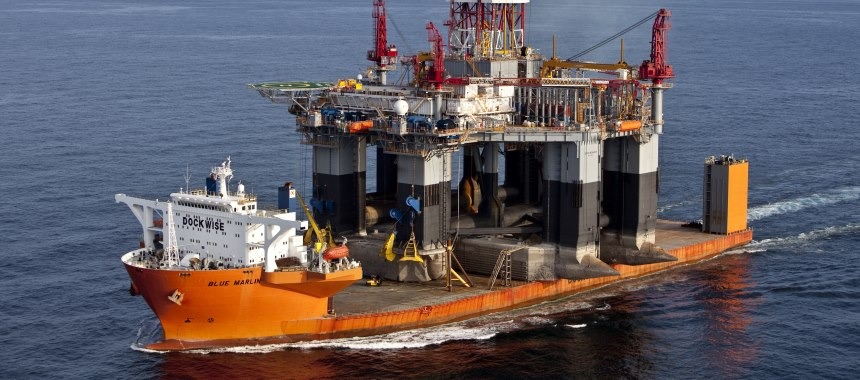
It all started with non-self-propelled barges, but now incredibly large loads can be loaded on board and sent to any destination in the world under their own power.